Using the Same Language to Communicate
the most often asked questions I’ve had are (1) do you have dongding oolong (2) why you don’t have Lishan /Dayuling/Sunlinksea teas? for me, it’s rather a bitter question….
1. what’s behind that question?
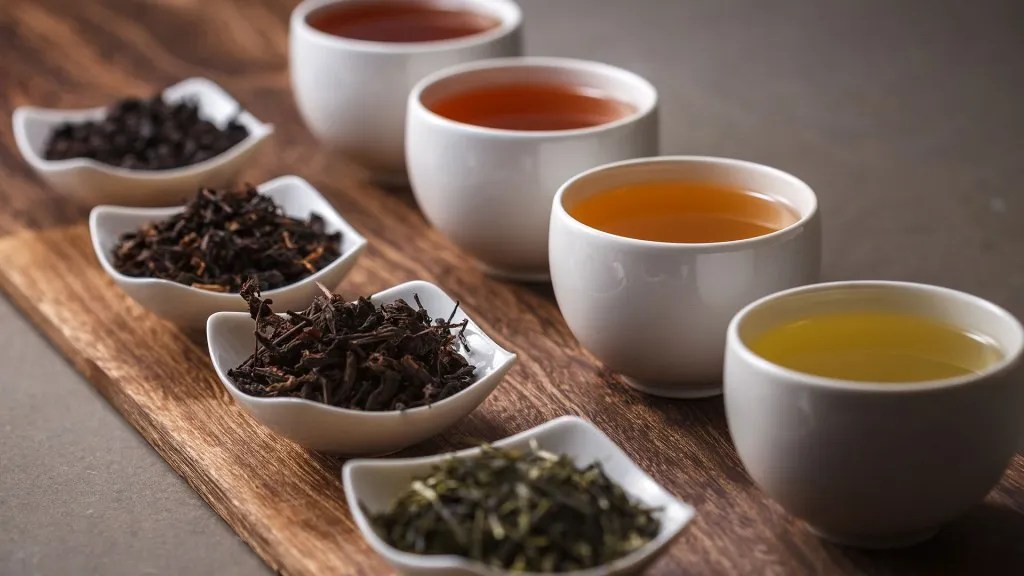
till these days, clear and Systematic information about tW teas are rare, besides, most taiwan teas are sold via brokers but not directly from producers. hence many necessary & useful information might be skipped during communications. for example, when buying roasted teas in TW, the most common asked question is: which cultivar & from which region. the answer will lead to huge price differences. which means, dongding oolong can be sold $30+/kg up to $120+/kg from such an open question.
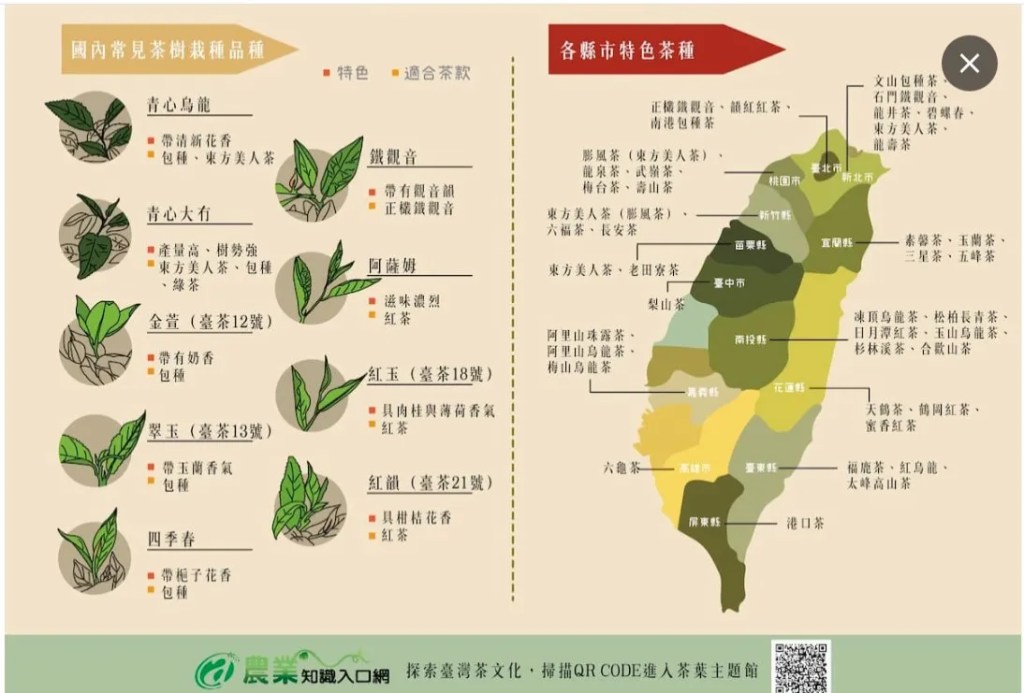
as to regions, it’s not that difficult from local people to verify the tastes of the sources, yet it’s quite hard for buyers overseas to know. for example, how to tell if the high mountain tea is indeed from Alishan or Lishan or elsewhere? and this question contains another 2 issues: (1) regions are used rather for pricing purpose than quality (2) rich flavors of oolong tea are crafted from handling processes instead of regions or altitudes, which can be Supplemental conditions but not decisive ones. so, using a name of tea might cause more doubts.
Myths about Oolong; FAQ.
2. Why current system doesn’t work in TW teas?
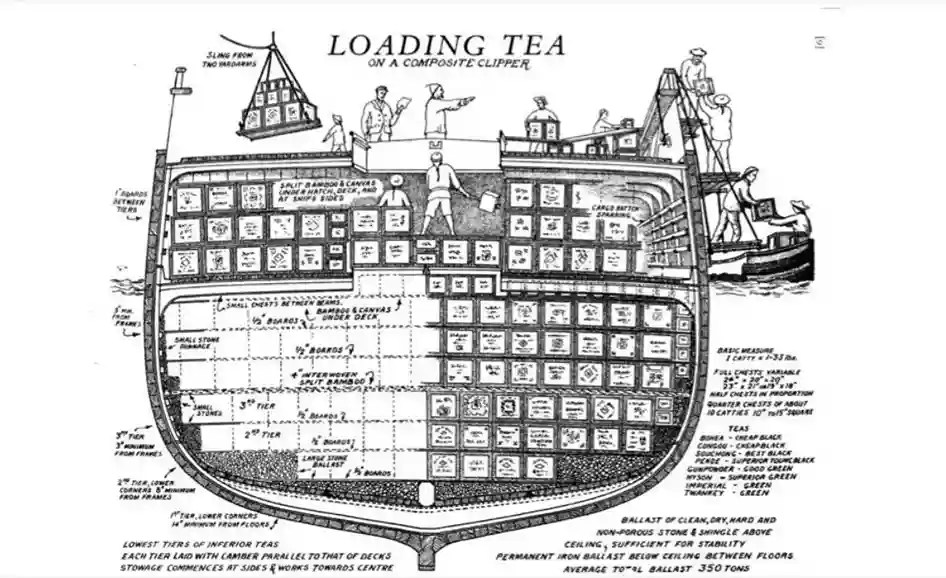
on the other hands, it’s relatively much less from trading with countries such as india and Sri Lanka. for more than hundred years, trading with those countries are based on the long lasting auction system or chartering, where grading system is well established and known as well as the evaluation criteria. therefore, the brokers from this system can enhance high Efficiency, even though there is still problems like “Darjeeling teas” from countries other than India.
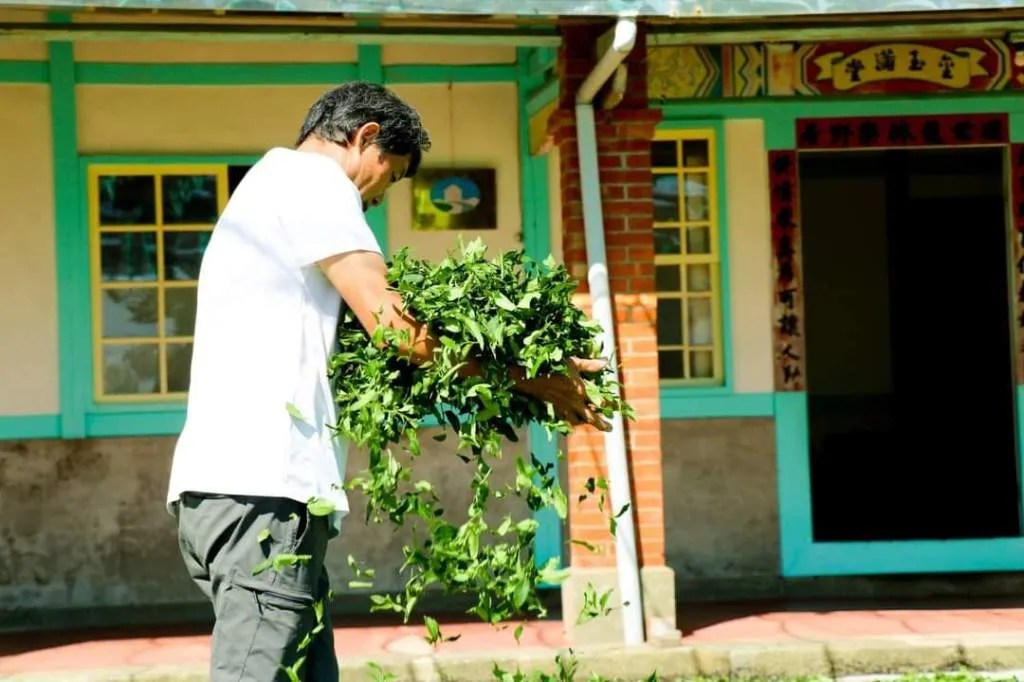
in this case, trading via brokers for the tea with totally different judging criteria & without grading system (not at all from TW), pricing has a lot of spaces due to the information gap, and the distance & language barrier enlarge this gap Further. as a result, (1) so-called TW teas might not from TW (2) many Alishan (or Lishan, you name it) teas might not from Alishan (3) your dongding might not be the same as his (4) chaotic pricing system of all above.
Let the business be back to the origin.
what we are trying to do, is trying to make the whole purchase & consumption system back to the traditional track, where there is sufficient information about a tea, so that all tea lover can have a clear picture of what they buy.
 Trilliant Industry