
Partly oxidated tea was originated from Fujian and Guangdong provinces of China and past to Taiwan at around 1850 or so. Back then, there were only names such as Wuyi SuiSin, Tieguanyin, DaHongPao or ZhingAh to address certain teas. So why on earth people started to call this kind of partly oxidated tea “Oolong”? Accordingly, it is because of the bad English and good professionality of our ancestors in tea industry.
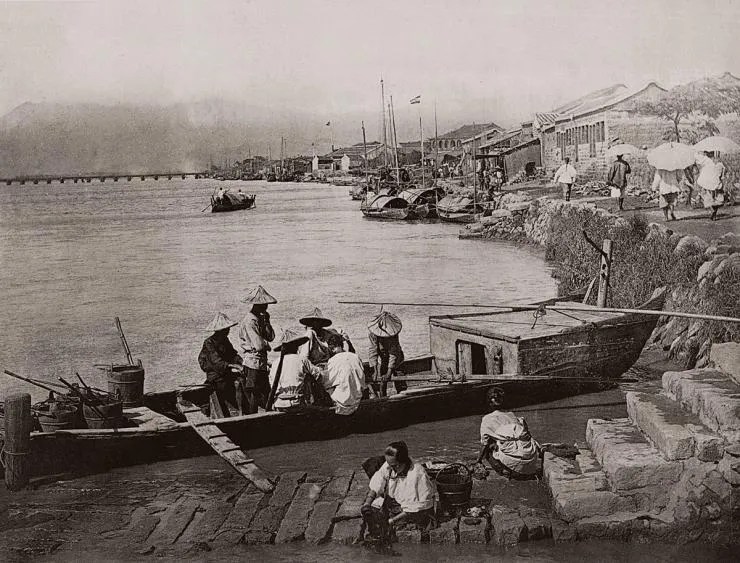

“Oolong” was firstly appeared in the shipments to US in 1860s by John Dodd, a Scottish who latter called as Father of Taiwan Oolong. He started to sell teas to abroad via other trading companies, therefore, the term of “orient” was used very often by traders. But please bear in mind that neither in Mandarin (official language in China) nor in Hokkien (a dialect commonly used in Fujian and Taiwan) do we have the pronunciation of “R”; instead, “L” appears in many vocabularies. in addition, we don’t have ending breathy sound like “t” or “s”. So for those non-English speakers who were in tea business in CN and TW, “orient” turned out to be “olen”.
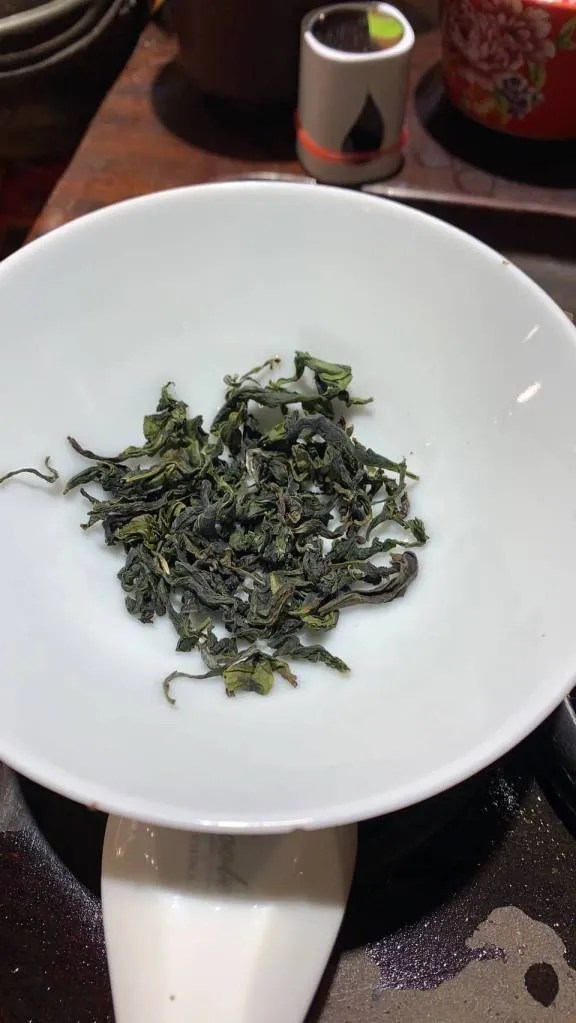
100+ years ago, all teas were made in the shape of curly twisting, and the oxidation can’t be stopped completely (in our slang, the tea isn’t “fried done”) due to the limitation of production facilities. When tea was finished and put in warehouse for some time, the oxidation would cause the color of tea turning from fresh green to dark brown, and the outlook of this “dark twisted” tea leaf somehow was like black dragon(Chinese style, of course) which in Hokkien dialect called “Oo liông”. So, by then, our forefathers successfully combined their work with orders from abroad by using the name of “Oolong”.
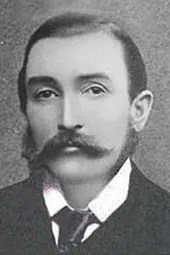
As to John Dodd, He marked the tea as “Formosa Oolong tea” and sold a lot to US and other countries since late 1860s, and that’s when the world started to know the term of “Oolong”.
P.S. One may find some other sayings online such as (1) there was a local hunter in Fujian called “WuLon” realized tea can be oxidated for better flavor occasionally (2) some farmer found a black dragon in his tea farm, etc. But these are just fairy tales which everyone can make up as many as people want, and these stories don’t help us any.
instead, finding out true meanings of the names of any subject can represent realities which piled up by the history, and knowing the past guides us to a better future.
 Trilliant Industry