
The core spirit of Taiwanese tea lies in the transformation of its flavors, of which is done by withering, enzyme activities, hydro emission & roasting.

Unique Terrains
As an island with two-thirds of its area covered by mountainous terrain, Taiwan has numerous steep peaks and deep valleys. The convergence of the warm currents of the Pacific Ocean and the cold currents from the northwest continent enriches the island with fertile soil and diverse biological species. Since the 19th century, Taiwan has been renowned worldwide for its agricultural products.

2/3 of our territories are covered by steep mountains.
Inherit & Innovation
We learnt modern time oolong production skills (which formed from 1860s) from China and exported to western societies under the name of “oolong”. Then we invented special methods to handle oxidation and kneading in 1910s to create strong floral flavors without any blending with flowers; this tea (BaoZhong) was soon exported to the world by volumes under the name of Formosa Oolong.

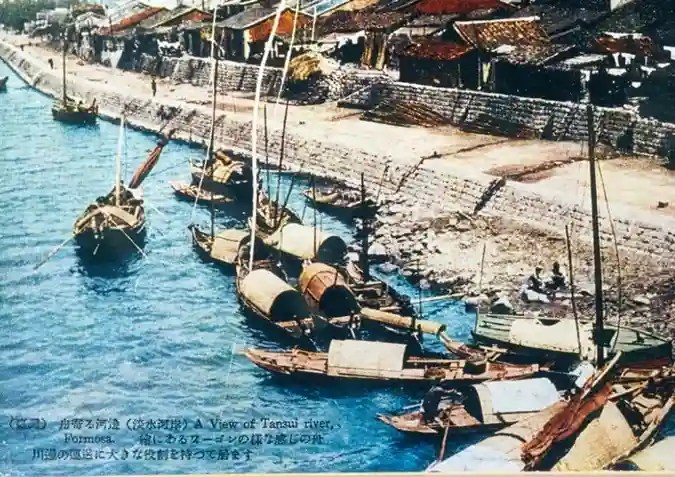
it connects economics and politics of TW to the world.
Cultivar Developments
Before the 1930s, Taiwan had close contacts to mainland China, introducing a wide variety of oolong tea cultivars. During the colonial period, the Japanese brought in Assam and other tea varieties from Southeast Asia. After the 1950s, Taiwan’s government-established Tea Research and Extension Station (TRES) cultivated new tea varieties, characterized by distinctive traits and rich aromas. These high quality cultivars are the foundations of our tea industry.


Plucking
To produce oolong tea, it is essential to harvest fresh, tender leaves with a certain level of maturity. These leaves contain sufficient tea polyphenols, pectins, and sugars to facilitate the transformation of flavors. The concept of “one bud & two leaves” harvesting does not apply to Taiwanese oolong tea due to the lack of inner materials contents within leaves.
Why there are stems in Taiwan oolong? Does it have anything to do with quality?

Flavor Transformation
The most distinctive aspect lies in the tea leaf processing. The transformation of pectin and sugars occurs during withering and enzyme activities. The former drives the development of aroma, while the latter creates variations in texture. When these two processes harmonize, a pleasant sweetness emerges. Astringency is also a key criterion in evaluating Taiwanese tea. Tea with proper hydro emission exhibits minimal astringency, which is a significant difference between Taiwanese Oolong tea and Oolong teas from other regions.

Packing & Freshness
The key to the deliciousness of oolong tea, aside from flavor transformation, lies in the freshness of the dried tea. Due to the high dryness level of the leaves, they are highly susceptible to moisture or absorption of other odor flavors then lose the original aromas and tastes. Therefore, in Taiwan, whether for wholesale or retail, all oolong teas, no matter roasted or not, are packaged in vacuum-sealed bags.
 Trilliant Industry