
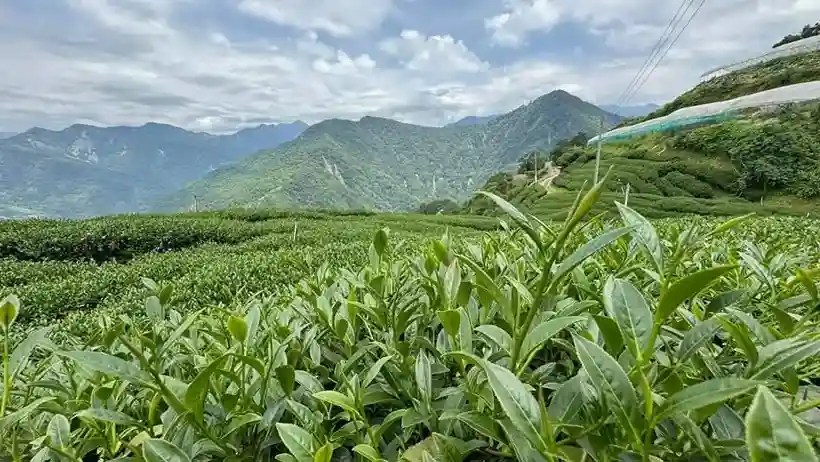
the higher altitude, the better quality?!
Firstly, we have to define the quality as “tastes of teas” but not the fresh leaves. Secondly, typical oriental oolong production requires the sunlight as the MOST important oxidation condition. Without sunlight, no needs to talk about quality. There are many articles talking about how the quality is better in higher lands, they are generally true in terms of quality of leaves, but such sayings miss two key elements: (1) cultivar differences (2) taste differences.
Machine picked = low quality?!
The key spirit of oolong production lied in hydro management; via the oxidation processes (withering + oxidation + enzymatic reactions), the aroma and tastes can be created while the astringency can be reduced. Leaves picked by machines have certain advantages:
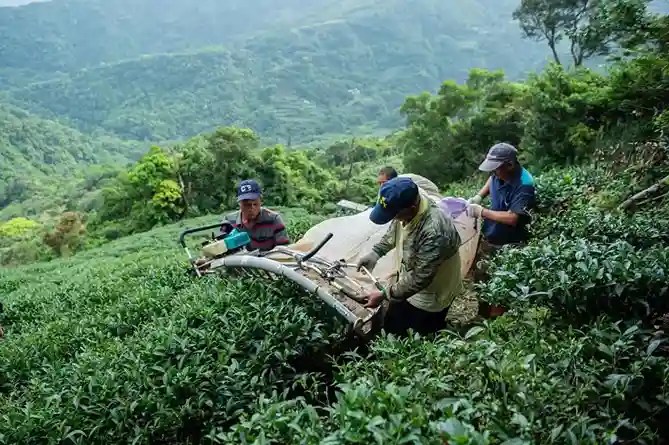
1. Tea picking by hands starts from AM8:30 or so, and leaves picked are quite wet due to the dew; machine picking is much faster and the job can start around AM10:00 when dew is gone and leaves are dried.
2. In order to work more efficient, tea pickers always tuck leaves into their baskets as many as possible so that they can pick more leaves in each round, thus leaves are often folded/squeezed.
3. Due to the fast picking by machines, leaves are sent back to factory much sooner. Previously, 30+ staffs would need about 90mins to pick 200kg leaves, and it means those leaves would be stored in baskets for long time; but now the time is shorter by half, thus leaves can be handled much sooner without waiting.
When fresh leaves are sent back in much drier status, the oxidation can be conducted better; moreover, unfolded leaves means the “pipelines” for moisture emission are not hurt/broken, thus grassy notes and soluble compounds can be released, hence the tastes of teas can be brighter and brisker while the astringency is lower.
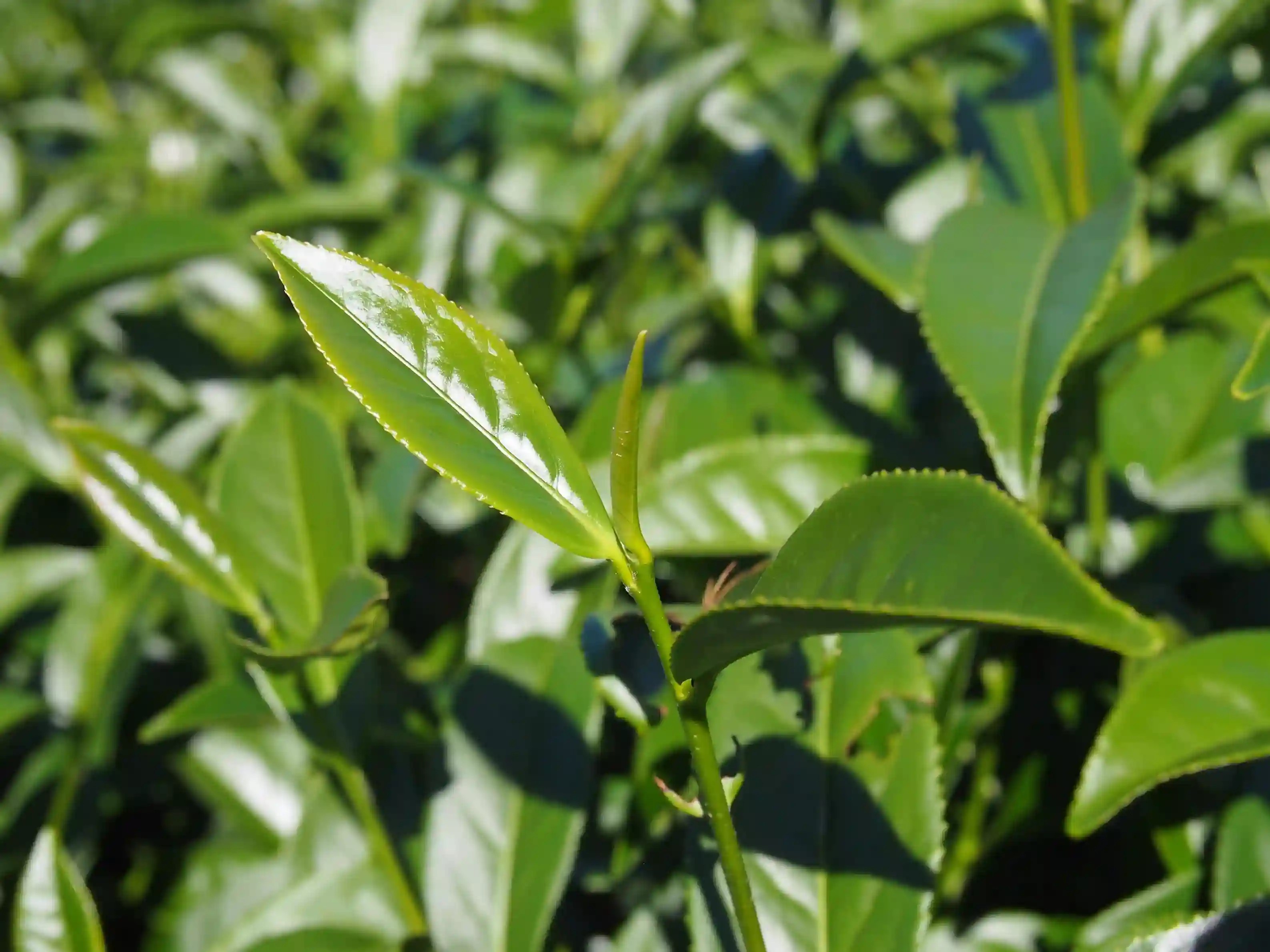
1 bud 2 leaves = good quality?!
There are many globally common understandings about teas which can’t apply in Taiwan oolong due to totally different oxidation concepts + methods, thus those ideas are not the case for us at all, and 1B2L* is one of them. Conceptually speaking, there are two fundamental tastes of oolong teas: original taste of camellia sinensis & tastes of camellia sinensis been transformed. If a tea has only the 1st taste, it’s rather called as green tea or white tea.
There is an example to distinguish these 2 tastes from Tea Journey**: “Fresh grass, vegetal notes, ocean breeze, and nori-like…to describe Japanese green tea, but by using a withering technique called ichō, the Japanese are bringing out the floral, and sometimes fruity profile,…. it is a similar process to producing Taiwanese oolong”. The former tastes are the original tastes related to terrains and cultivars, while the latter tastes are related to the handling processes. And, “withering them first, the leaves undergo a slight oxidation between harvest and steaming, bringing out floral notes.” If this simple sunlight can increase the flavor, much richer tastes theoretically can be obtained via the complete oxidation processes. But the reality is, 1B2L is far from enough to generate abundant tastes.
In practical, the best fresh leaf condition is “fresh, certain maturity & not too old”, and 1B2L is one of the biggest shits we might encounter during tea productions. To articulate this, let’s start from the best scenario of good leaf conditions. After Taiwanese oxidation method which transforms substances in leaves, junior leaves provide sweetness, maturer leaves provide floral/fruity notes and stems provide tea textures***, and astringency is extremely low due to well moisture emissions. But if we have all 1B2L (never happened in real life, as none will allow it happened), we can only handle oxidation very light (starting from sunlight withering till the end stage of drying), thus the substance transformation can’t be done sufficiently; as a result, the tea go with low fragrance, plain tastes and high astringency. From time to time, we might intake fresher/younger leaves, and our best wish is to make the tea “clean, sweet and w/o astringency”, nothing more can be expected by then! Of course we can still present the original tastes of a tea with also low astringency by using another oxidation method, but it just loses the core spirit of oolong, which is “tastes transformation via oxidation”, a creed for every TW tea makers.
Except not having rich flavors, there is another reason why we don’t provide teas with their own original tastes. When teas are not transformed properly, they’d be stimulating and cause stomachache due to remains of excitant substances within leaves. Purely oxidation and barely no transformation is not what we opt to for the reasons of our pursues of rich & natural flavors and low stimulation.
*: 1B2L as acronym of “one bud two leaves”.
**: Link: https://teajourney.pub/withered-tea-brings-out-the-floral-in-japanese-teas/
***: It doesn’t mean each part contains only one merit; it’s about the contain ratio of sweetness, aromas & tea textures within tissues of each part.
right temperature to steep oolong tea?!
To answer this question, we must to clarify 2 issues: for what purpose and why! When searching for answers, you’d find common ranges from 85℃~100℃, and each Oolong requires different temperature, and when you buy teas from shops, they’d probably tell you the same thing. However, this temperature doesn’t apply for tea producers neither for tea competitions.
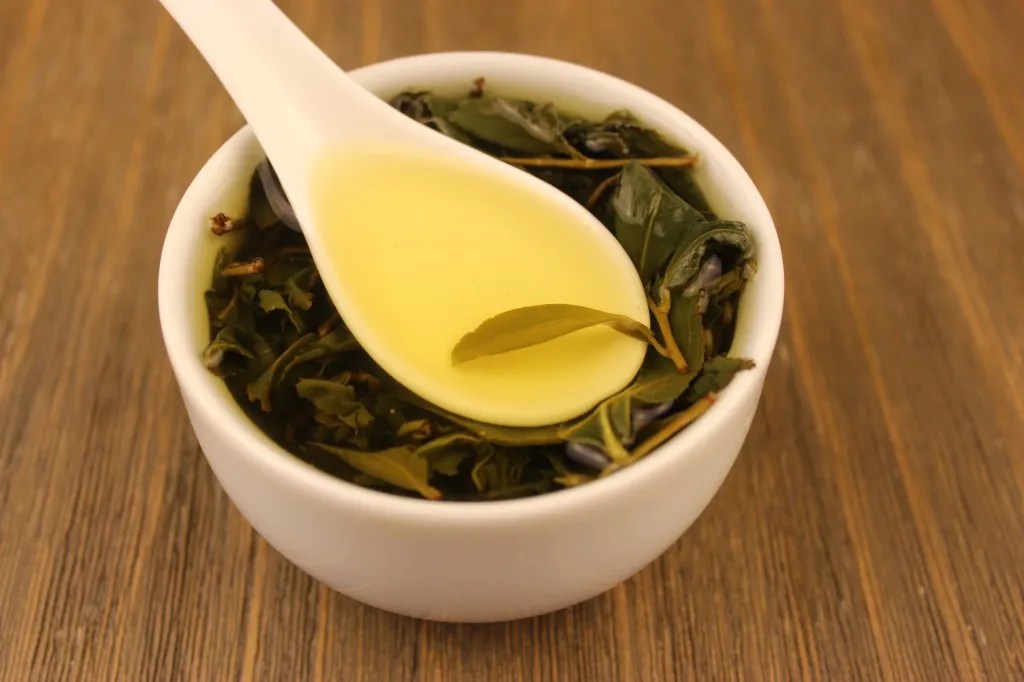
In tea competitions in TW, the standards are: 3 grams of tea, 150 c.c. boiling water (100℃), 6 minutes of steeping with lids on, and another 6 minutes to cool down with lids taken away. The only purpose is to leach all “substances” in tea in order to evaluate the performance by positive merits (aroma, tastes, body, after-taste, vivid mouthfeel, etc) and by negative ones (astringency, bitterness, dull, grassy, plain, etc). As to tea makers, it’s the same important to know how a tea tastes like so that we’d be able to amend it in following phases.
On the other hands, the performance of a tea can always be modified by controlling (1) tea volume (2) water temperature (3) steeping time. If the aroma/fragrance isn’t strong enough, you can put more teas in pot to increase the density, but the side effect bitterness (sometimes astringency as well) goes higher at the same time, thus you should lower the temperature and shorten the steeping time to avoid unpleasant tastes. As we always say in TW, producing tea is science, while making tea is an art.
 Trilliant Industry