
4 Considerations for Buying Oolong
Oolong tea is not only a trend but also a staple in the offerings of many brands. Tea enthusiasts are familiar with oolong tea and are often willing to pay a premium for its quality and health benefits. When it comes to purchasing oolong tea, the following factors play a decisive role:
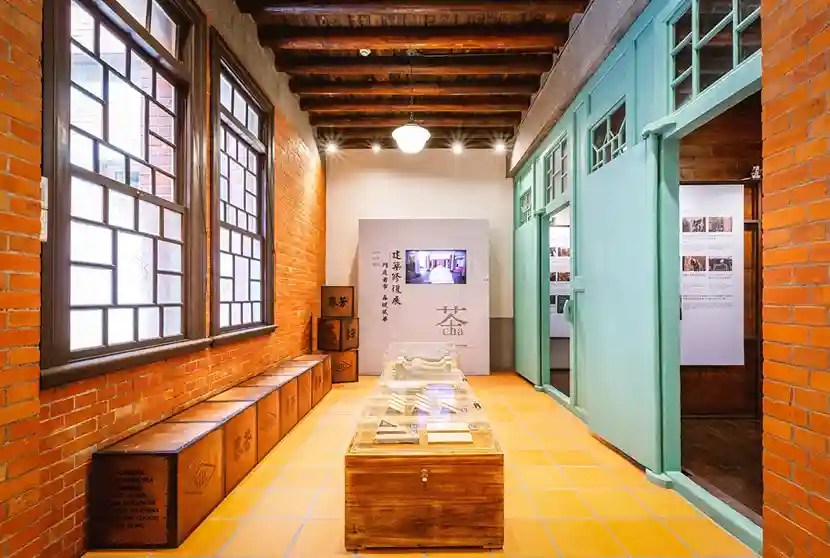
1. Is Oolong Tea Suitable for Me or My Business?

The answer is yes! The demand for artisan teas stems from humanity’s innate pursuit of beauty and excellence, encompassing refined flavors and the fulfillment of life’s values. The global surge in demand for artisan teas is accompanied by a growing interest in the cultural, historical, and social responsibility aspects of tea, as well as sustainability and care for nature. These elements have added new allure to the global beverage market.
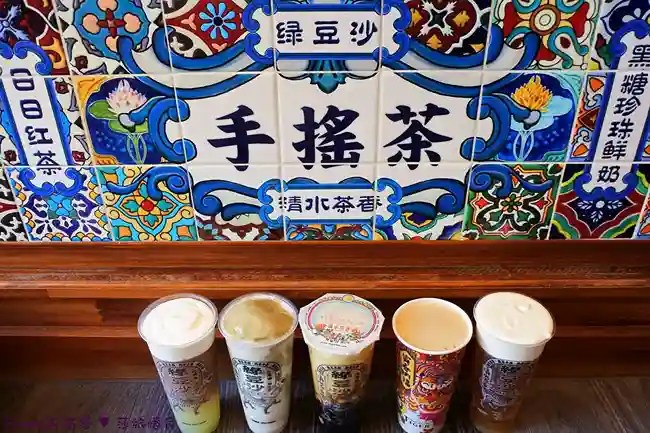
Taiwanese oolong tea is incredibly versatile. It can serve as a base for beverages (e.g., Sijichun), milk teas (e.g., dark roasted oolong), floral and fruity blends, flavored teas, or be blended to elevate the quality of other teas. Most uniquely, it shines when served neat. From tea rooms, café to milk tea shops on the blocks, oolong tea is available everywhere.
2. Expertise in Oolong Tea
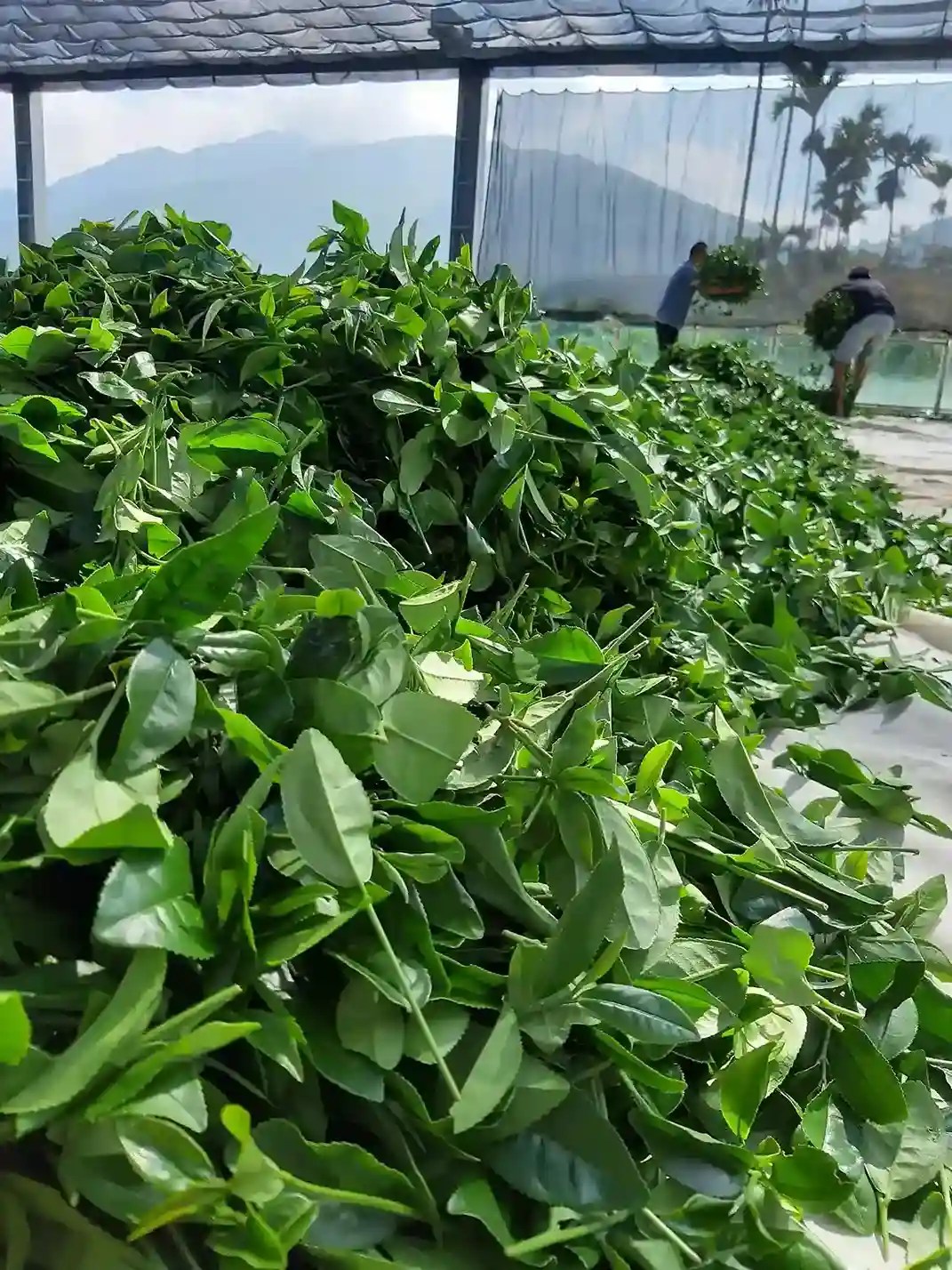
Among all tea types, oolong tea making requires the most complex and intricate production process. Describing it merely as “oxidized more than green tea but less than black tea” does not do it justice. Partnering with manufacturers equipped with the necessary production capacity and expertise, rather than trade merchants, ensures better quality control.
Furthermore, vendors’ knowledge and experience are key considerations. In niche markets, domain know-how is indispensable for promoting and marketing the product. Effectively delivering the values of a product is as crucial as the quality itself.
3. Authenticity of Origin and Product
It is no secret that a significant portion of the “Formosa Tea” or “Taiwan Oolong” on the market is mislabeled, having no real connection to Taiwan. Authentic Taiwanese tea has long been rare; therefore, verifying its authenticity is quite difficult. For example, the famous Milky Oolong derives its unique crème caramel cultivar notes naturally, yet many rolled oolongs on the market are artificially flavored with milky essences.
How to know if milky oolong is origin or flavored with essence?
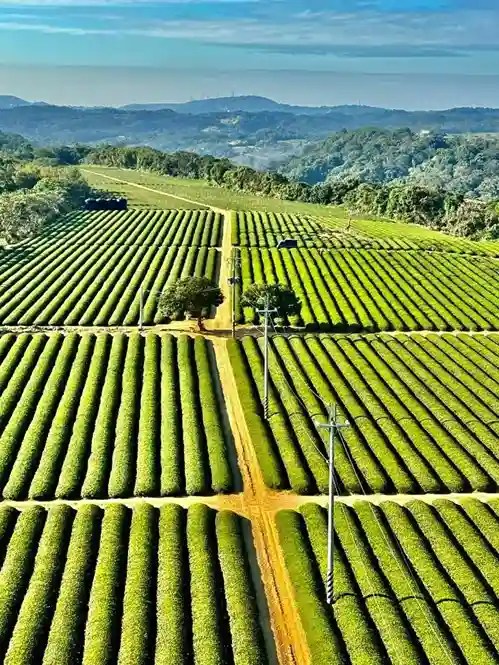
To solve this difficulty, we articulate local production processes and the unique flavor profiles of Taiwanese tea to enhance understanding and verification capability of its authenticity. We believe in the power of knowledge and integrity as a foundation of business. In addition to direct purchases, expertise and trackable records are also important judging criteria to buyers.
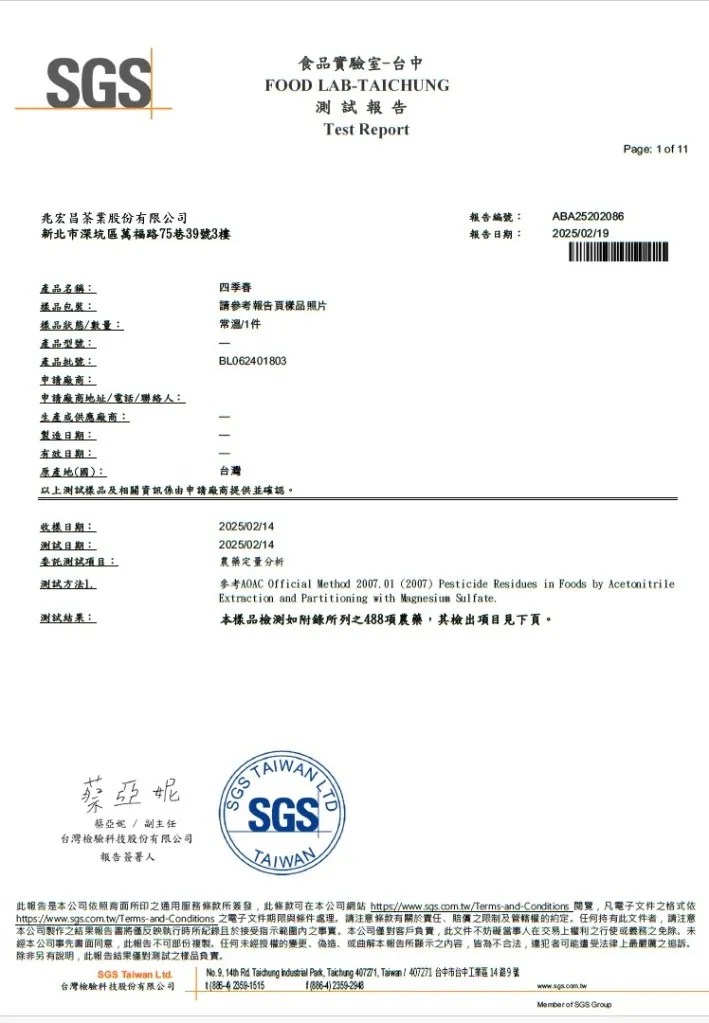
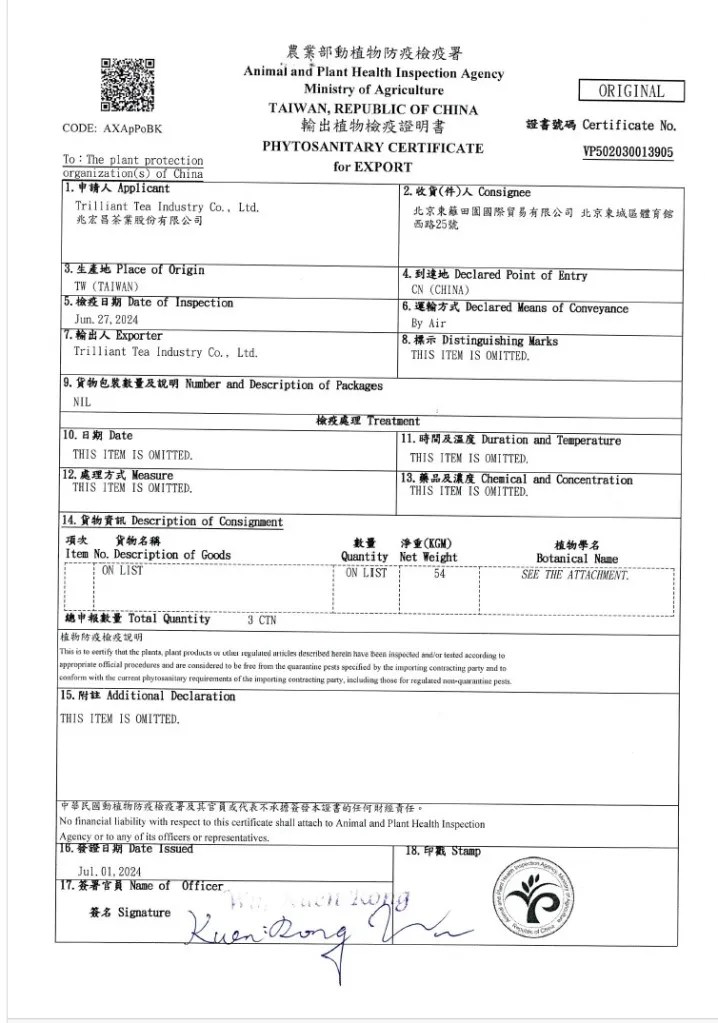
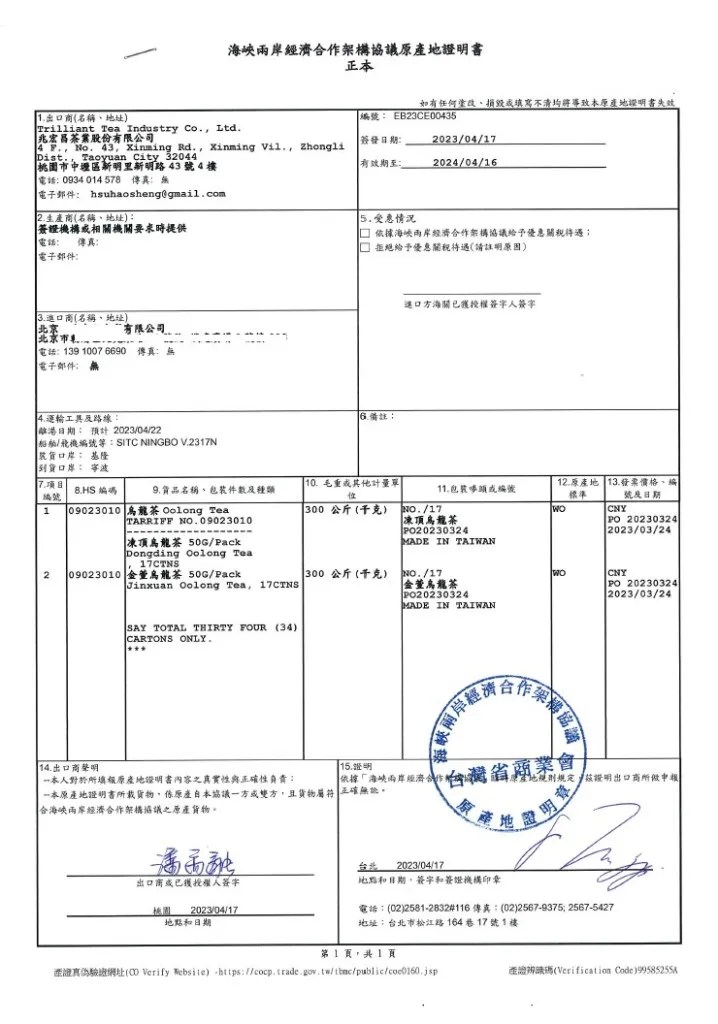
we have Bar core issued by Agriculture and Food Administration of taiwan to demonstrate the authenticity of our teas. for bulk deliveries that we send by AIR or SEA, complete documentations such as Phytosanitary Certificate, Country of origin and COA (SGS report) are necessary For customs clearance, which can also prove the identification & reliability of our teas.

4. Quality of Oolong Tea
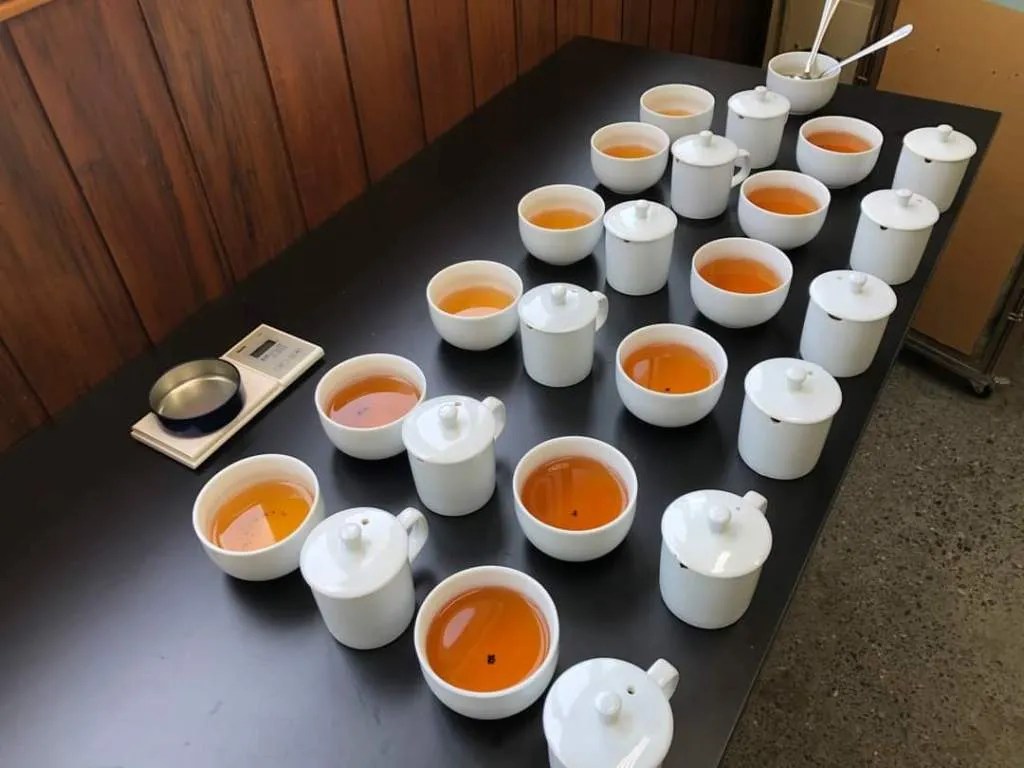
The criteria for evaluating oolong tea differ from Western perceptions, which is why we introduced flavor quadrants and competition criteria in order to increase the comprehension toward this type of teas. This is a time-honored (rooted in Chinese tea culture) yet relatively new (oolong tea started since 1860s) system.
For example, astringency is considered a major flaw in oolong tea, whereas lingering aftertastes (or “yun-wei”) are highly prized. But in general, our core guidelines for quality evaluation are: Freshness, rich & fine flavors and low astringency.
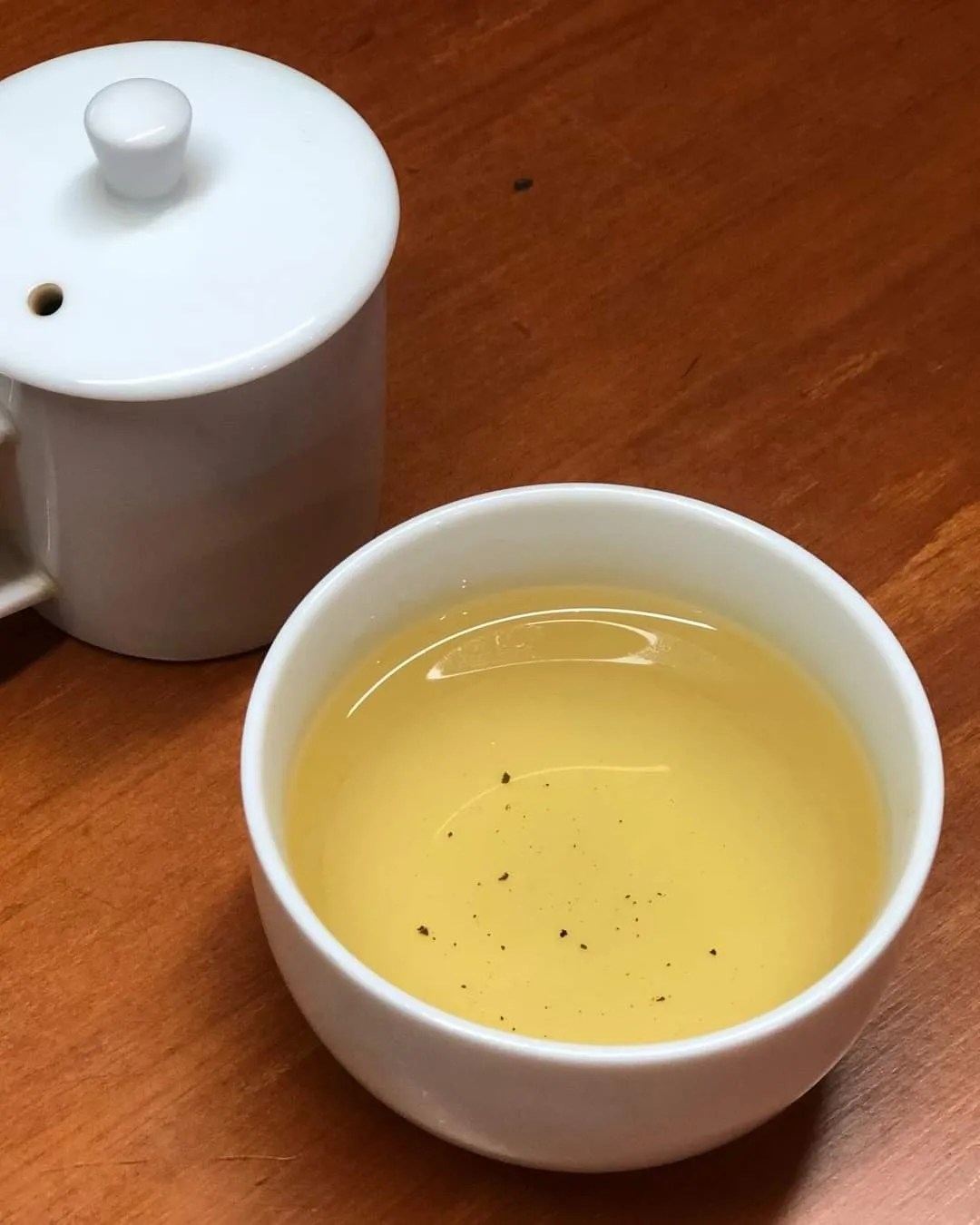
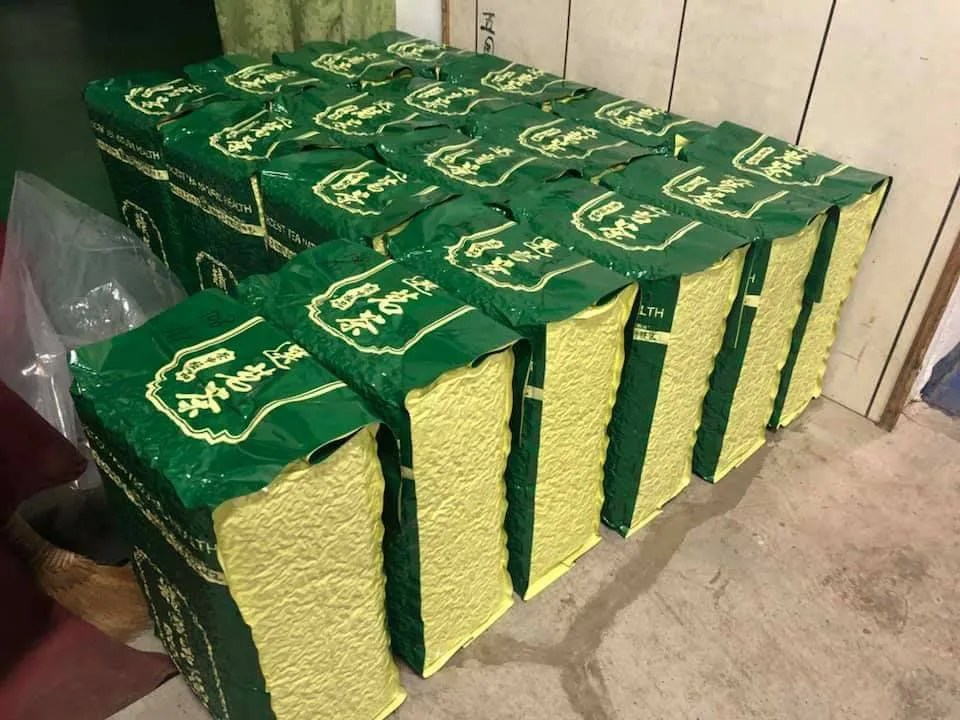
Freshness is essential. plesant floral and fruity notes are strongly connected with the freshness.

Flavor=Taste+Aroma+Texture. these are 3 elements to be tasted in any oolong teas.
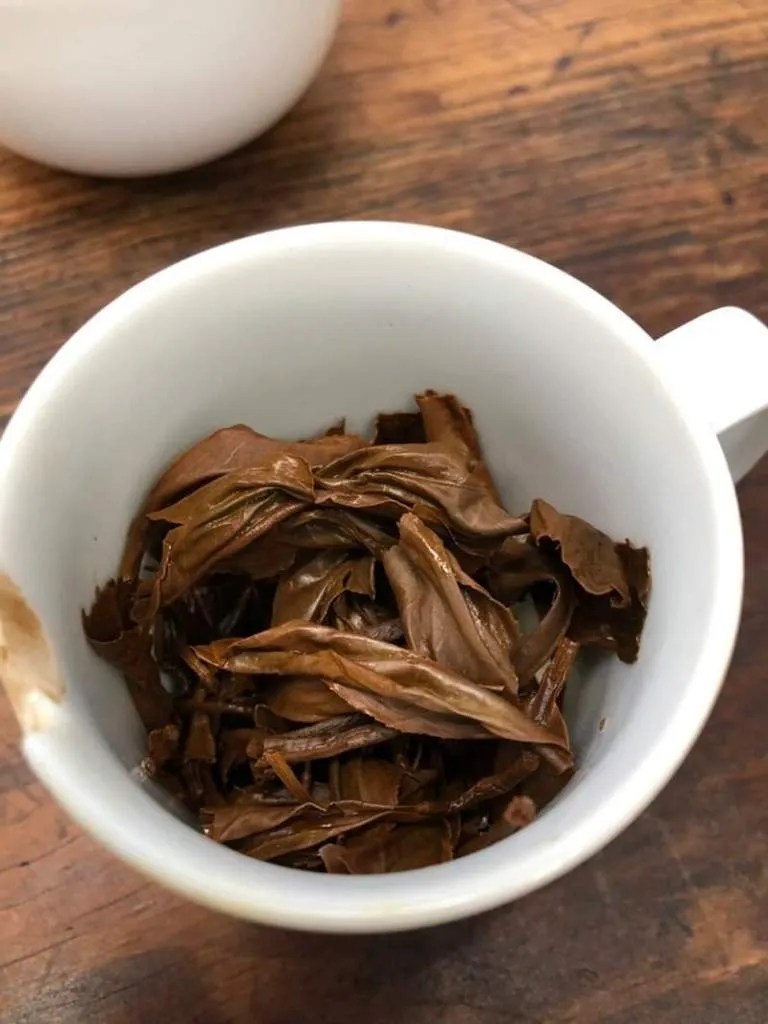
Exceptionally low astringency even after prolonged steeping owing to the complete oxidation processes.
By considering these factors, you can ensure that the oolong tea you purchase aligns with your personal preferences and meets professional standards.
 Trilliant Industry