
After drying stage, the tea has reached its highest peak in all aspect, and the last task is to preserve. Ideally, less than 5% of the moisture contain is the best level of Taiwan teas (not only oolong but also other types of teas), thus this percentage is also the goal of drying.
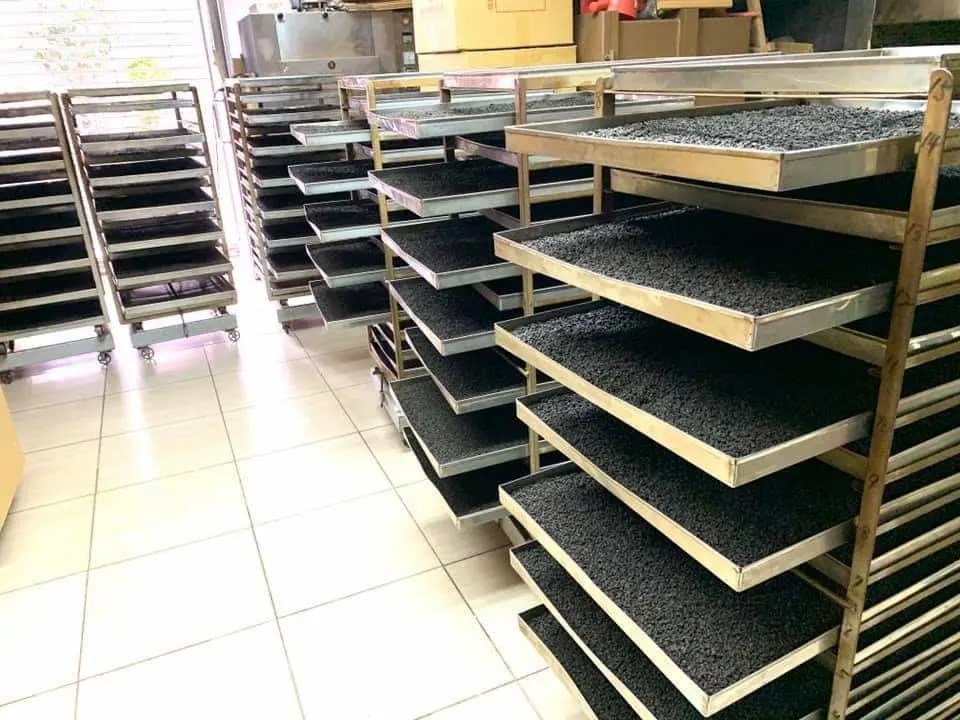
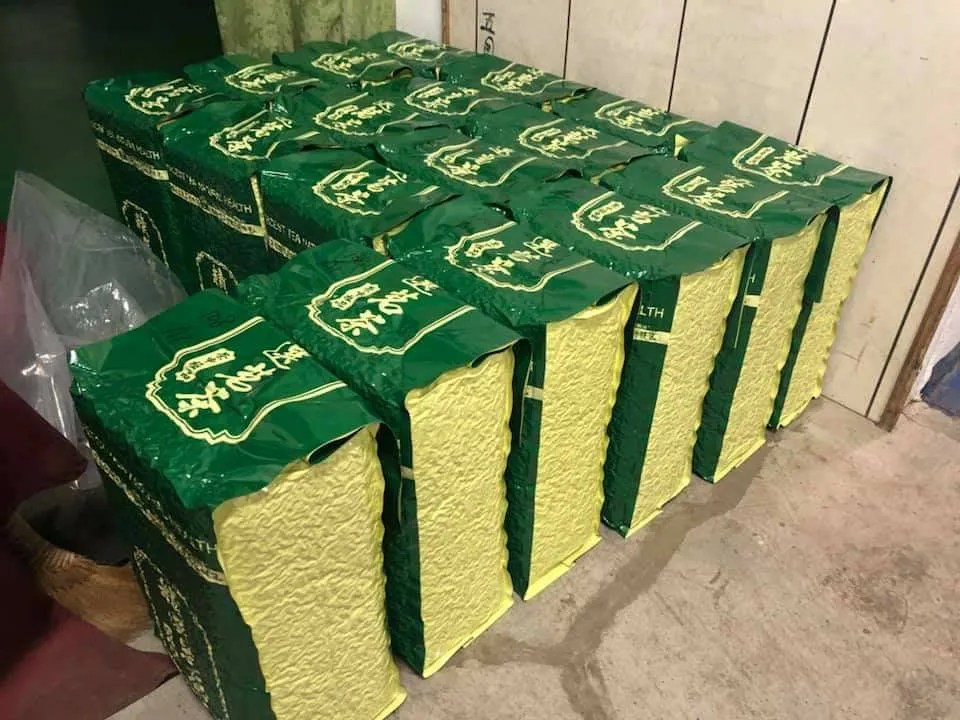
vacuum seal is a must in all factories before teas are ready for sales.
But on the other hand, environmental humidity is much higher than it, especially in south eastern Asian countries; besides, dry stuffs absorb ambient flavors rapidly. In order to prevent tastes from been influenced (in other words, to keep the quality at its highest level), all Taiwan teas are packed in vacuum aluminum bags, and this applies for everyone; starting from factories on till the purchases by end-users, teas are always packed vacuum with oxygen absorbers in bags.
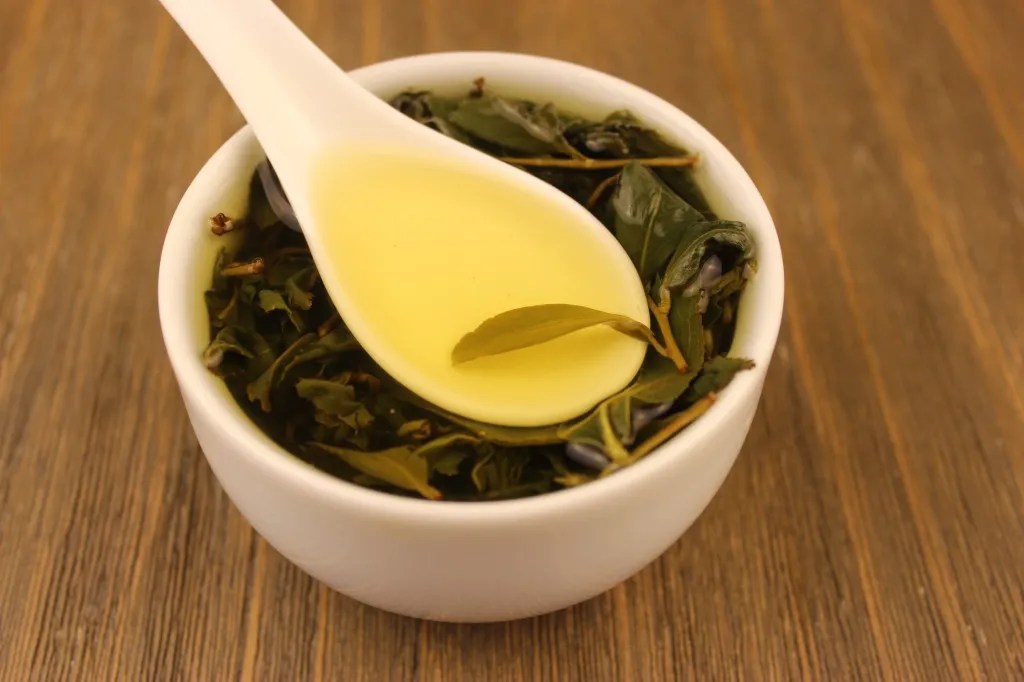
Quite often asked question is, how to tell the quality of an oolong tea, and the answer is simple: the freshness. We might not know how good a tea is until we taste it, but it’s easy to know the tea won’t be any good if it’s not fresh. As we have stated, Taiwan teas have rich flavors and layers of tastes & mouthfeels due to complicated producing processes, thus the quality is strictly related to the freshness, and the freshness is strictly related to the maintenance & packing.
 Trilliant Industry