
evaluations
Since oolong tea have its flavors from 3 aspects, ways of evaluating teas should also cover those aspects to tell the quality.

Judging Criteria:
1. Outlooks & aromas:
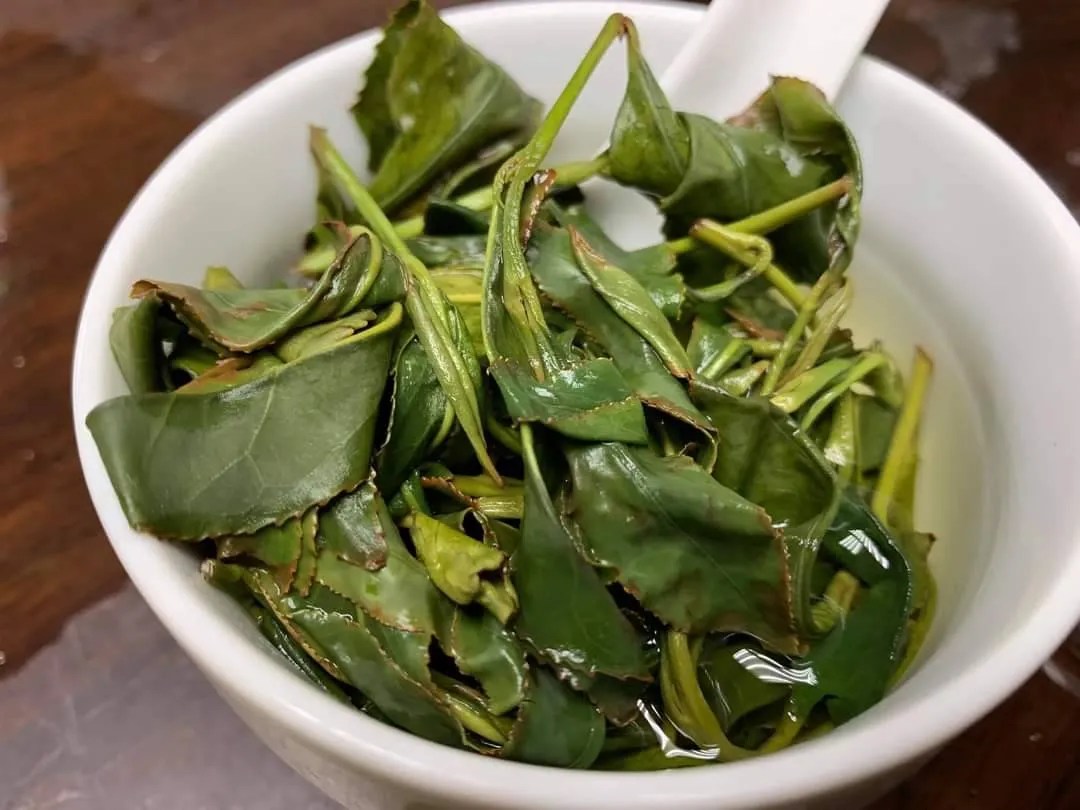
Colors and shapes or dried leaves. To see if leaves are fresh, even in shapes, not broken and rolled properly.
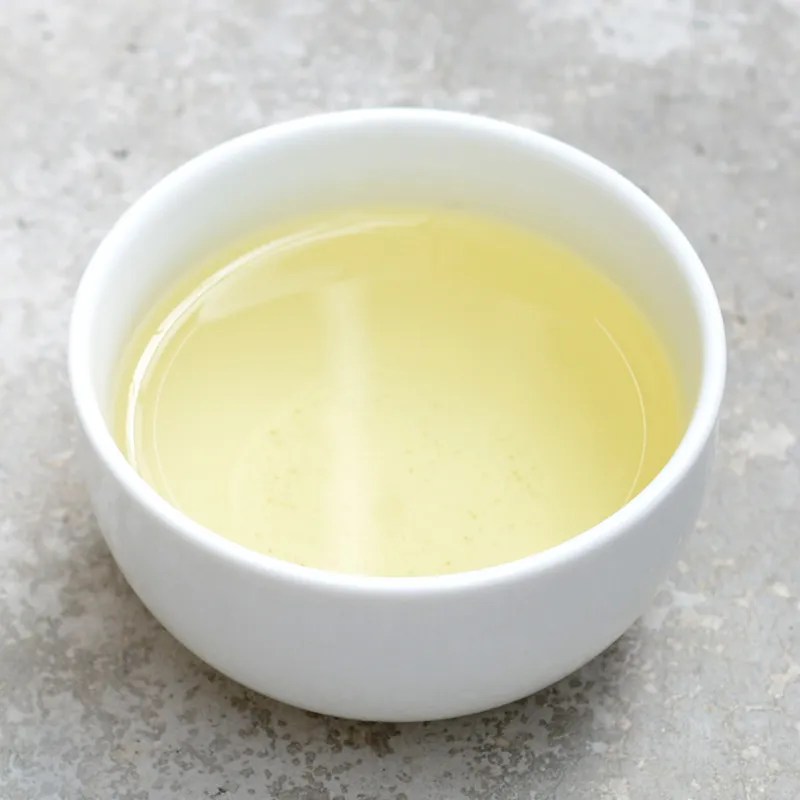
2. Liquid color:
To see if liquids provide the proper colors (different kind of Oolong has its color), if liquids look crystally bright, clean and not turbid.
3. Fragrances:
Smell the liquids and tea leaves to tell the notes and strongness-weakness of fragrances.
4. tastes:
4.1: there are 5 Tastes: Sour, sweet, bitter, salty and umami. sweet and umami are good, why rest 3 are not.
4.2: Mouthfeels: Aftertaste, viscosity, smoothness, fineness and purity.

Commonly Seen Problems of oolong teas;try to avoid those teas.

1. Non-fresh: Post-oxidation due to (1) improper packing (2) too much moisture remained (3) improper production methods, which are considered as serious shortages.
2. Astringency: Caused by improper sunlight withering, indoor oxidation or flipping methods. Considered as the most serious shortage.

3. Grassy notes: Caused by either unproper plantation management, unproper oxidation methods or unproper frying process.
4. Burnt smell: Caused by either frying or roasting.
5. Blunt mouthfeel: Caused by too much oxidation thus the tea is less vivid when swallowing.

6. Plain tastes: Caused by too mature leaves or unproper oxidation processes, thus the tea doesn’t have sufficient viscosity and flavors.
7. Stuffy smell: Caused by improper frying or stirring methods, which leads to less umami in teas.
8. Odd smell: Anything that doesn’t belong to the origin teas.
9. Added smell: Any smell added to teas manually.
 Trilliant Industry